Marine Collagen and Joint Health: What the Research Shows
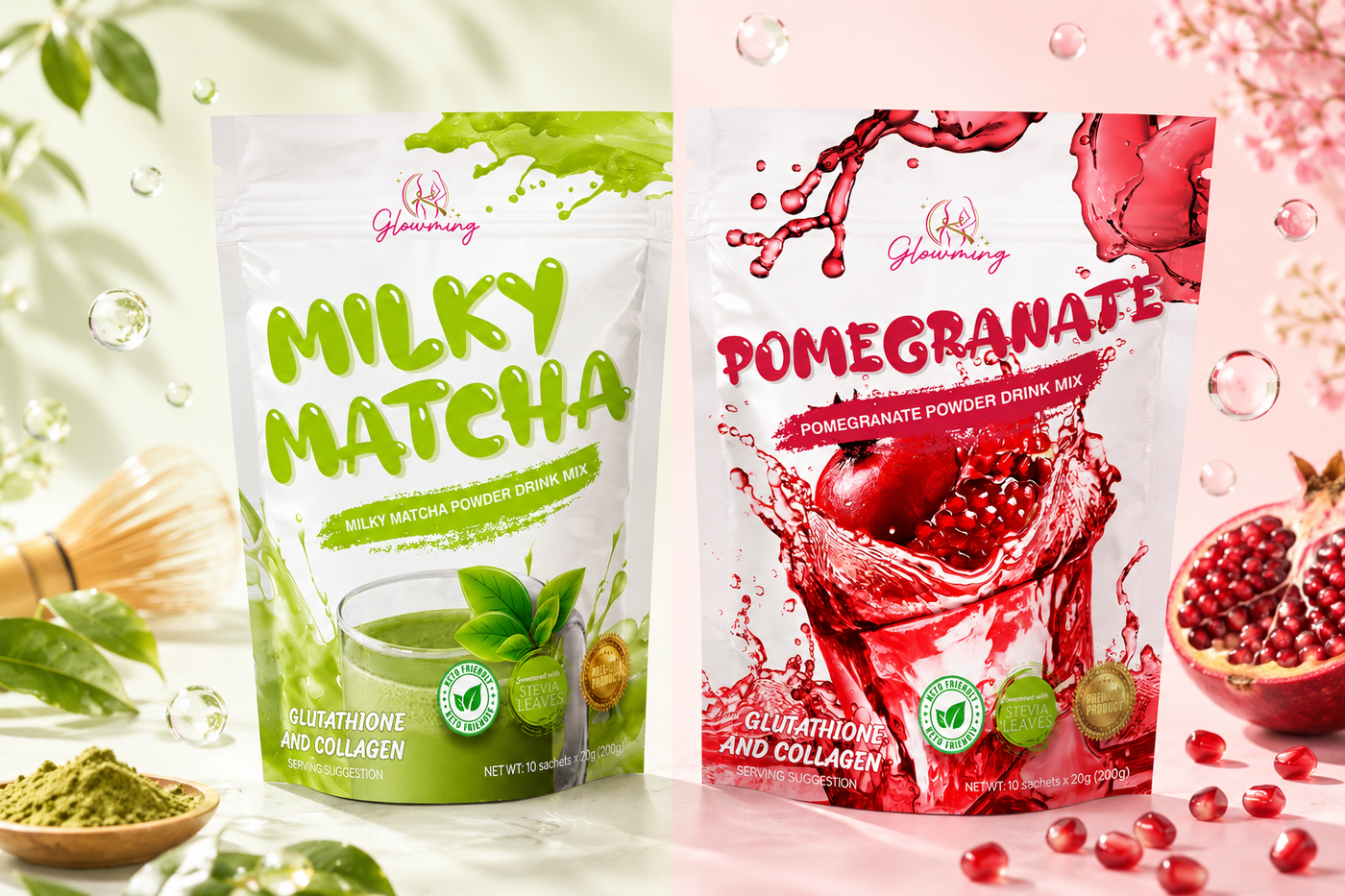
Cartilage, the tissue that cushions joints, is made largely of Type II collagen, while Marine Fish Collagen is predominantly Type I. A 2008 study in Current Medical Research and Opinion (Bello and Oesser) found that collagen hydrolysate supplementation was associated with improved joint comfort in athletes and older adults with joint discomfort, even though the collagen type differed from cartilage's own composition. Glowming includes Marine Fish Collagen in every flavour, at R359 per 200g bag.
How does collagen supplementation relate to joint cartilage if the types are different?
Cartilage itself is primarily Type II collagen, while Marine Fish Collagen supplements, including Glowming's, are Type I. The proposed mechanism is not that supplemented collagen directly becomes cartilage, but that hydrolysed collagen peptides may stimulate chondrocytes, the cells responsible for producing the body's own cartilage matrix, according to in vitro research referenced in the Bello and Oesser (2008) review. This distinction matters for understanding what collagen supplementation can and cannot claim to do.
What does the clinical evidence actually show for joint comfort?
The Bello and Oesser (2008) review in Current Medical Research and Opinion summarised multiple studies showing collagen hydrolysate supplementation was associated with reduced joint pain scores in athletes and improved comfort in adults with osteoarthritis-related joint discomfort, generally over supplementation periods of 3 months or longer. The effect size in these studies is described as moderate, not a dramatic or immediate change, consistent with how connective tissue conditions typically respond to nutritional interventions.
Does collagen reduce inflammation directly?
Collagen itself is not classified as an anti-inflammatory compound in the way that, for example, omega-3 fatty acids or curcumin are studied. Its proposed benefit for joint comfort is more likely tied to supporting cartilage matrix production and connective tissue structure over time, rather than acting on inflammatory pathways directly. Glutathione, also included in every Glowming sachet, has separate antioxidant properties that may indirectly support the body's response to oxidative stress associated with joint strain, though this is a distinct mechanism from collagen's structural role.
Who is most likely to notice a difference from collagen supplementation?
The existing research base is strongest in two groups: athletes with activity-related joint stress, and older adults with mild to moderate joint discomfort. People without any joint symptoms are unlikely to notice a subjective difference, since the research measures improvement in existing discomfort rather than joint enhancement in people with no baseline issue.
How long before joint-related collagen benefits might appear?
Consistent with the connective tissue research discussed for muscle recovery, joint comfort studies generally used supplementation periods of 3 months or more before observing meaningful results. This is a long-term, cumulative supplement category, not one where a single week of use should be expected to produce a noticeable change.
Health disclaimer: Glowming wellness drink sachets are dietary supplements, not medicines, and are not intended to diagnose, treat, cure or prevent osteoarthritis, arthritis or any joint condition. Individual results may vary. This content is for informational purposes only and does not constitute medical advice. Consult a healthcare professional before use if you have a diagnosed joint condition or are on medication for joint pain or inflammation.