Managing Stress Without Derailing Your Diet
Last updated: June 2026
Stress and diet failure are not separate problems. They are the same problem. Cortisol, the hormone released under stress, directly drives fat storage, disrupts appetite regulation, and triggers cravings for exactly the foods that undermine weight management goals. Addressing stress is not optional for anyone serious about their health.
What Stress Does to Your Body Composition
Cortisol promotes fat storage
Cortisol activates lipoprotein lipase in visceral fat cells, the enzyme that draws circulating fat into abdominal fat stores. A 2000 study in Psychoneuroendocrinology found a direct correlation between chronic cortisol levels and visceral fat accumulation, independent of diet and exercise. This is why stressed people gain abdominal fat even when their diet appears reasonable.
Cortisol drives muscle loss
Cortisol is catabolic, it breaks down muscle tissue to release amino acids for gluconeogenesis (glucose production) during stress. Chronic high cortisol accelerates muscle loss, which reduces resting metabolic rate and makes weight regain after dieting easier. Protecting muscle requires cortisol management, not just protein intake.
Cortisol disrupts sleep
Elevated evening cortisol prevents the natural decline in alertness that allows deep sleep. Poor sleep disrupts leptin and ghrelin, making the following day's eating harder to manage. The stress-sleep-appetite cycle is self-reinforcing without deliberate intervention.
The Most Effective Stress Management Ingredients
Ashwagandha
Ashwagandha is the most extensively researched adaptogen for cortisol reduction. A 2019 randomised controlled trial in Medicine found 240mg/day reduced serum cortisol by 23% over 60 days with concurrent improvements in perceived stress, sleep quality, and food craving scores. This is a direct, measurable intervention in the cortisol-appetite cycle.
Cocoa and theobromine
Cocoa Powder contains theobromine and phenylethylamine, compounds that support mood via dopamine and serotonin pathways. A 2019 study in Frontiers in Nutrition found that regular cocoa consumption was associated with reduced depression scores and improved mood, independent of the sugar content of commercial chocolate products. Satisfying the stress-driven chocolate craving with real cocoa addresses both the neurochemical and behavioural components of stress eating.
Why Diets Fail Under Stress
Restrictive dieting is itself a stressor. Caloric restriction activates the hypothalamic-pituitary-adrenal (HPA) axis, raising cortisol, which then drives cravings for the foods being restricted. This is why willpower-based dieting fails consistently under stress. The solution is to reduce the cortisol load, not to increase dietary restriction.
Ashwagandha and Cocoa in Glowming Choco
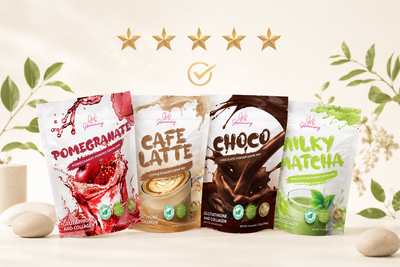
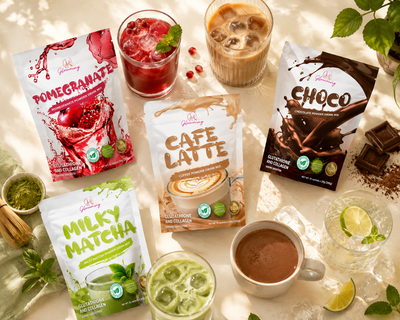
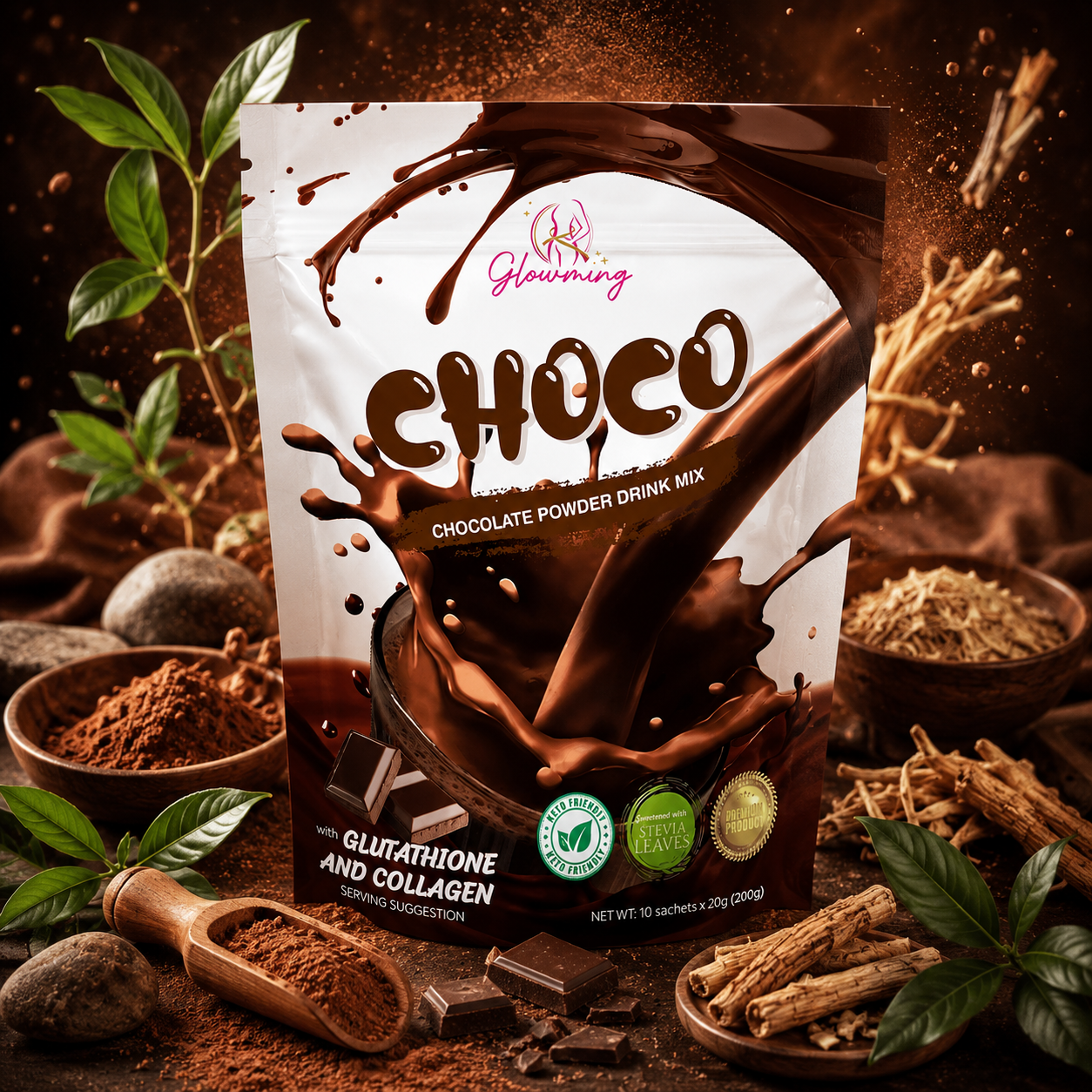
Glowming Choco combines Ashwagandha, Cocoa Powder, Garcinia Cambogia, and zero-sugar Stevia in an evening formula designed to interrupt the stress-eating cycle at its hormonal root. Taken as an evening ritual, it replaces stress-driven snacking with something that actively reduces cortisol rather than spiking it.
“I am a teacher with a very stressful job. I would come home and eat everything in sight. The Choco before bed has genuinely changed that. I sleep better, I am calmer in the evenings, and I have lost weight without trying to diet at all.”
Adri F., verified South African customer, Glowming Choco
Frequently Asked Questions
Can stress actually cause weight gain?
Yes, through multiple pathways. Cortisol promotes visceral fat storage, drives cravings for high-calorie foods, disrupts sleep which worsens appetite regulation, and causes muscle catabolism that reduces metabolic rate. Chronic stress is one of the most significant underaddressed contributors to weight gain in modern South African urban life.
Does exercise help with stress-related eating?
Yes. Exercise reduces cortisol acutely and improves HPA axis regulation over time. It also increases BDNF (brain-derived neurotrophic factor), which supports mood regulation. However, intense exercise also raises cortisol temporarily, moderate daily movement is more effective for cortisol management than occasional intense training.
How does ashwagandha reduce food cravings?
By reducing cortisol. Cortisol elevates appetite for high-calorie foods through two mechanisms: direct stimulation of neuropeptide Y (a hunger signal in the hypothalamus) and indirect reduction of leptin sensitivity. Lower cortisol means lower appetite dysregulation. The Food Cravings Questionnaire improvements seen in ashwagandha trials confirm this mechanism clinically.
Is it possible to be thin and still have stress-related health problems?
Yes. Cortisol drives visceral fat specifically, which can accumulate around organs even in people with normal body weight. Visceral fat is metabolically active and drives inflammation, insulin resistance, and cardiovascular risk independent of overall body weight. Cortisol management matters regardless of weight.
This product is not intended to diagnose, treat, cure, or prevent any disease. Consult a healthcare professional before use. Individual results may vary.